 EN
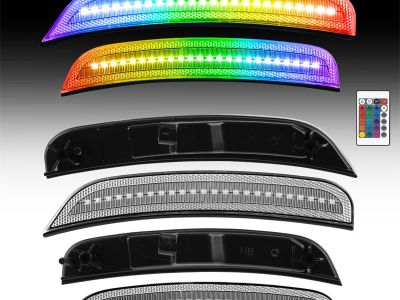
The design of lenses in automotive LED lights plays a crucial role in their performance, efficiency, and safety. As manufacturers and suppliers seek to optimize these lighting solutions, understanding the intricacies of lens design becomes vital for purchasing managers, distributors, and engineers alike. This article will explore the importance of quality lens design in automotive LED lights, how to select the right design, key specifications to consider, the impact of material quality on durability, and how to evaluate supplier expertise in lens design and production.
The Importance of Quality Lens Design in Automotive LED Light Performance
Quality lens design directly affects the light output, distribution, and efficiency of automotive LED lights. A well-designed lens ensures that the emitted light is focused and directed appropriately, enhancing visibility and safety for drivers. Poor lens design can lead to issues such as glare, uneven light distribution, and reduced illumination, which can compromise safety on the road. For instance, when designing headlights, the lens must be tailored to the specific LED light source and intended application. Factors such as beam pattern, distance of projection, and regulatory compliance play critical roles in the lens's effectiveness. Buyers should prioritize lens designs that have been tested for performance to ensure they meet quality standards and can withstand various environmental conditions.
How to Choose the Right Lens Design for Your Automotive LED Lights?
Selecting the right lens design involves considering multiple factors that align with your specific application needs. Buyers should first assess the intended use of the LED lights whether for headlights, taillights, or marker lights as this will influence the desired beam pattern and light intensity. Additionally, consider the compatibility of the lens with the LED light source. Some designs may optimize light output better than others, dependent on their shape and material. For example, convex lenses can enhance light distribution for wider visibility, while flat lenses may be better suited for focused beams. It's also essential to seek lens designs that comply with local regulations regarding light output and distribution. When requesting quotations, buyers should provide detailed information about their application and desired specifications to facilitate better matching of products.
Key Specifications to Evaluate for Automotive LED Lens Designs
Evaluating the right specifications for automotive LED lens designs is crucial for ensuring performance and durability. Key specifications to consider include:
Thickness: The thickness of the lens can affect light transmission and durability. Thicker lenses may offer better impact resistance but could also lead to light loss if not designed correctly.
Material: Common materials used in lens production include polycarbonate and acrylic. Each material has its advantages; for instance, polycarbonate is known for its impact resistance while acrylic offers better clarity.
Coating: Anti-scratch and UV-resistant coatings enhance the longevity of the lens, protecting against environmental damage. Buyers should verify the presence of these coatings to ensure long-term performance.
Sealing: Proper sealing is vital to prevent moisture ingress, which can lead to fogging or damage to the LED License Plate Light components. Ensure that the lens design includes effective sealing mechanisms.
By focusing on these specifications, buyers can make informed decisions that align with their performance requirements and operational conditions.
The Role of Material Quality in Automotive LED Lens Durability
The longevity and durability of automotive LED lights are heavily influenced by the quality of the lens material. High-quality materials can withstand extreme temperatures, UV exposure, and physical impacts, which are common in automotive applications. For instance, polycarbonate lenses are often favored for their robustness and resistance to shattering. However, not all polycarbonate lenses are created equal buyers should seek lenses that meet specific industry standards for impact resistance and thermal stability. Moreover, consider the environmental conditions the LED Bumper Side Marker Lights lenses will face. If they will be exposed to harsh weather or road debris, investing in higher-grade materials will yield better long-term performance. A thorough evaluation of material properties, including thickness and treatment, will ensure that the chosen lens can endure the rigors of automotive use.
Evaluating Supplier Expertise in Automotive LED Lens Design and Production
When sourcing automotive LED lenses, evaluating the expertise of potential suppliers is essential. A supplier with a solid track record in lens design and production will be better equipped to deliver high-quality products that meet your specifications. Look for suppliers with relevant certifications, such as ISO 9001, which indicates a commitment to quality management systems. Additionally, inquire about their manufacturing capabilities specifically their production equipment and quality control processes. A supplier that employs advanced manufacturing techniques and rigorous testing protocols is likely to LED Side Marker and Blinker produce more reliable products. It's also beneficial to assess their experience in the automotive sector. Suppliers who have worked with diverse clients and applications can offer valuable insights and recommendations based on real-world performance. Requesting samples for testing is a critical step before committing to larger orders, as this allows buyers to evaluate product quality and compatibility firsthand. By focusing on these aspects, buyers can establish partnerships with suppliers that enhance their product offerings and ensure customer satisfaction.
Table of Contents
- The Importance of Quality Lens Design in Automotive LED Light Performance
- How to Choose the Right Lens Design for Your Automotive LED Lights?
- Key Specifications to Evaluate for Automotive LED Lens Designs
- The Role of Material Quality in Automotive LED Lens Durability
- Evaluating Supplier Expertise in Automotive LED Lens Design and Production