 EN
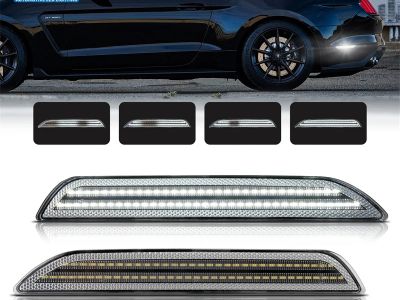
The production process of LED bumper side marker lights involves intricate steps that ensure the final product meets stringent quality and performance standards. As businesses seek reliable automotive lighting solutions, understanding this process becomes crucial. B2B buyers, including purchasing managers and engineers, often have concerns about product specifications, manufacturing quality, and customization options. This article will provide a comprehensive overview of the production process, purchasing guidelines, cost factors, applications, and considerations for bulk orders of LED bumper side marker lights.
Understanding the Production Process of LED Bumper Side Marker Lights
The production of LED bumper side marker lights begins with the selection of high-quality materials, including polycarbonate for the lens and durable housing materials that can withstand environmental stressors. The initial phase involves designing the light to meet specific vehicle models, ensuring compatibility and optimal performance.
Once the design is finalized, the manufacturing process includes several key steps:
Injection Molding: The housing and lens are created through injection molding, a process that allows for precise shaping and high-volume production. This stage is critical for achieving both durability and aesthetic appeal.
LED Assembly: After molding, LEDs are carefully assembled onto PCBs (Printed Circuit Boards). The choice of LEDs impacts brightness, energy efficiency, and lifespan. High-quality LED License Plate Light ensure that the marker lights meet regulatory visibility standards.
Quality Control: Rigorous quality control checks are integrated at each stage of production. This includes visual inspections, electrical testing, and environmental simulations to ensure that the lights can withstand temperature fluctuations, moisture, and vibrations during operation.
Final Assembly and Packaging: Once the components pass quality inspections, they are assembled and packaged for shipment. Packaging must not only protect the product but also comply with international shipping standards to prevent damage during transit.
Understanding these steps helps buyers appreciate the craftsmanship and technology that goes into producing LED bumper side marker lights, ensuring they make informed purchasing decisions.
Wholesale Purchasing Guide for LED Bumper Side Marker Lights
When considering wholesale purchases of LED bumper side marker lights, buyers should prepare to provide specific information that will aid in obtaining accurate quotes and ensuring product quality. Key considerations include:
Product Specifications: Clearly define the model, dimensions, and technical parameters required. This includes details like light intensity, color temperature, and power consumption.
Material Requirements: Specify any necessary materials, such as UV-resistant polycarbonate or specific housing materials that can endure harsh conditions.
Quantity: Establish the minimum order quantity (MOQ), as manufacturers often have specific thresholds for bulk orders that can influence pricing and lead times.
Customization Needs: If custom designs or branding are required, communicate these needs upfront. Customization can include logo printing, color variations, or specific mounting configurations.
Delivery Timeline: Discuss lead times and any deadlines for product delivery, especially if the LED Bumper Side Marker Lights lights are needed for specific vehicle production schedules.
Quality Assurance Standards: Ensure that the manufacturer can meet relevant industry standards and provide necessary certifications, such as ISO 9001, to guarantee product quality.
By addressing these factors, buyers can streamline the purchasing process and establish clear expectations with suppliers.
Cost Factors to Consider When Sourcing LED Bumper Side Marker Lights
Several cost factors influence pricing when sourcing LED bumper side marker lights. Understanding these can help buyers negotiate better terms and optimize their budgets:
Material Costs: The choice of materials significantly impacts the overall cost. High-performance materials that provide durability and resistance to environmental factors tend to be more expensive but are crucial for ensuring product longevity.
Manufacturing Complexity: More complex designs or additional features, such as integrated sensors or enhanced lighting capabilities, can increase production costs. Buyers should weigh the benefits of these features against their budget constraints.
Volume Discounts: Purchasing in larger quantities typically leads to lower per-unit costs. Buyers should inquire about tiered pricing structures for bulk orders to maximize savings.
Logistics and Shipping: Factor in shipping costs and any potential tariffs if sourcing from international suppliers. Understanding the logistics can help buyers plan for total landed costs.
Customization Fees: Any custom modifications or branding will incur additional fees. Buyers should clarify these costs early in discussions to avoid surprises later in the process.
By considering these factors, buyers can better navigate the complexities of pricing and ensure they receive the best value for their investment.
Applications of LED Bumper Side Marker Lights in Vehicle Design
LED bumper side marker lights play a vital role in vehicle design, contributing to both safety and aesthetics. Their common applications include:
Enhancing Visibility: Installed on the sides of vehicles, these lights improve visibility during low-light conditions, helping to alert other drivers to the vehicle's presence and reducing the risk of accidents.
Compliance with Regulations: Many regions have specific regulations requiring vehicles to have marker lights for safety. Understanding these regulations helps manufacturers ensure that their products meet legal requirements.
Styling and Branding: These lights can also be used to enhance the vehicle's design, allowing manufacturers to create distinctive lighting signatures that contribute to brand identity.
Integration with Advanced Safety Features: With the rise of smart vehicles, LED Interior Lights bumper side marker lights can be integrated with advanced driver assistance systems (ADAS), providing additional functionality beyond basic illumination.
By recognizing these applications, buyers can select products that not only meet regulatory standards but also enhance the overall vehicle design.
Comparing LED Bumper Side Marker Lights for Bulk Orders
When comparing LED bumper side marker lights for bulk orders, buyers should evaluate several critical factors to ensure they choose the best product for their needs:
Performance Specifications: Look for lights with optimal brightness, energy efficiency ratings, and durability. Ensure that the products meet relevant industry standards for performance and safety.
Quality and Reliability: Investigate the manufacturer's quality control processes. A supplier with a robust quality assurance system will reduce the likelihood of defects and improve product reliability.
Customization Options: Assess the availability of customization features. Suppliers that offer tailored solutions can better meet specific design and branding requirements.
Supplier Reputation: Research the manufacturer's experience and reputation in the industry. Established suppliers with positive reviews from other customers are generally more reliable.
After-Sales Support: Consider the level of support offered post-purchase. Suppliers that provide comprehensive customer service and assistance can enhance the overall purchasing experience.
By carefully comparing these factors, buyers can make informed decisions that align with their operational needs and ensure a successful procurement process.
Table of Contents
- Understanding the Production Process of LED Bumper Side Marker Lights
- Wholesale Purchasing Guide for LED Bumper Side Marker Lights
- Cost Factors to Consider When Sourcing LED Bumper Side Marker Lights
- Applications of LED Bumper Side Marker Lights in Vehicle Design
- Comparing LED Bumper Side Marker Lights for Bulk Orders