 EN
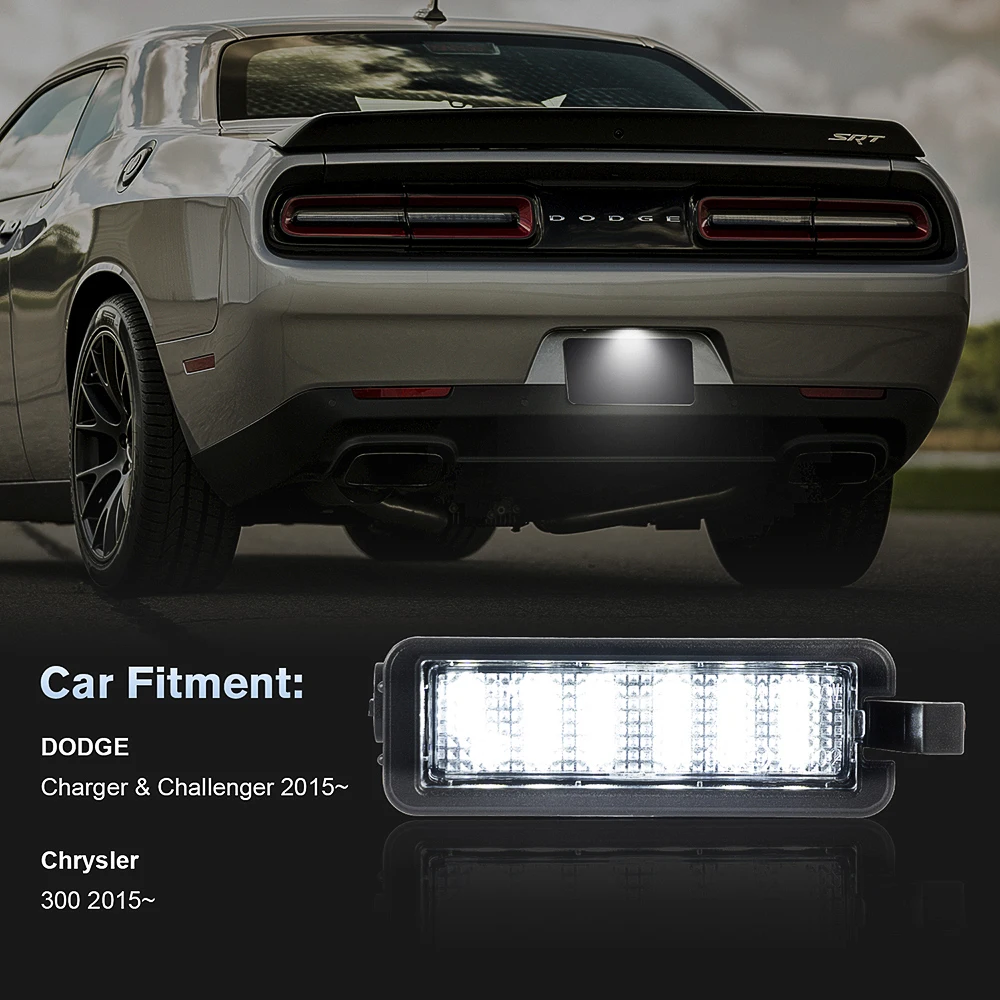
Smoked lens LED lights have become increasingly popular in the automotive industry for their aesthetic appeal and functional benefits. These specialized lighting solutions not only enhance the visual appeal of vehicles but also provide practical illumination in various driving conditions. For B2B buyers such as purchasing managers, distributors, and vehicle manufacturers understanding how smoked lens LED lights are integrated into vehicle styling is essential for making informed decisions. This article will explore the advantages of these lights, provide guidance on selecting the right options for your fleet, outline key specifications to consider, offer installation tips, and address common issues and solutions related to smoked lens LED lights.
How Smoked Lens LED Lights Enhance Vehicle Aesthetics
Smoked lens LED lights are designed to deliver a sleek, modern look that complements contemporary vehicle styling. The tinted lens creates a unique visual effect, providing a more aggressive stance for vehicles while still maintaining visibility. This aesthetic enhancement is particularly appealing to car enthusiasts and those in the aftermarket sector looking to upgrade their vehicles.
In addition to appearance, smoked lens LED interior lights can provide a more cohesive look across various vehicle components. When matched with other smoked or darkened elements, such as window tints and grille designs, these lights can contribute to a unified styling theme. For manufacturers and distributors, offering a range of smoked lens options can cater to diverse customer preferences and expand market reach.
Choosing the Right Smoked Lens LED Lights for Your Fleet
When selecting smoked lens LED lights for your fleet, consider factors such as vehicle type, application, and customer preferences. Different vehicles may require specific light configurations, so it’s essential to understand the compatibility with the existing lighting systems.
Additionally, evaluate the intended use of the lights. For instance, if the vehicles are primarily for on-road use, focus on lights that comply with local regulations regarding brightness and visibility. Conversely, if the vehicles are for off-road applications, durability and shock resistance may take precedence. Understanding these distinctions helps ensure that the selected lights not only enhance aesthetics but also perform effectively in their intended environments.
Key Specifications to Consider in Smoked Lens LED Lighting
When evaluating smoked lens LED lights, several key specifications should be taken into account:
Voltage Compatibility: Ensure that the LED auto lights are compatible with the vehicle's electrical system, typically 12V for most automotive applications. Mismatched voltages can lead to performance issues or damage.
Lumens Output: This measures the brightness of the light. A higher lumen output provides better visibility, which is crucial for safety. Buyers should consider their specific needs, balancing brightness with aesthetic preferences.
Color Temperature: The color of the light emitted can significantly impact visibility and styling. Standard options include warm white (around 3000K) and cool white (6000K and above). Choosing the right color helps maintain the vehicle’s design language.
Durability Ratings: Look for IP (Ingress Protection) ratings that indicate resistance to dust and water. Higher ratings, such as IP67 or IP68, ensure that the lights can withstand various environmental conditions.
Material Quality: The lens material should be durable and resistant to UV light and impact. Polycarbonate is a common choice for its strength and clarity.
By confirming these specifications, buyers can ensure that the smoked lens LED lights meet the operational requirements of the vehicles and the expectations of the end users.
Installation Guidance for Smoked Lens LED Lights in Vehicles
Installing smoked lens LED lights requires careful attention to detail to ensure proper functionality and aesthetics. Here are some key steps to consider:
Preparation: Before starting, gather all necessary tools and components, including wiring harnesses, connectors, and mounting hardware. A clean workspace will help prevent any dirt from entering the electrical connections.
Remove Existing Lights: Carefully detach the existing light fixtures, ensuring not to damage surrounding components. Take note of how they are wired for reference during installation.
Wiring Connections: Connect the smoked lens LED lights according to the manufacturer’s wiring diagram. Proper connections are crucial to avoid electrical failures. If unsure, consulting with an experienced technician can prevent costly mistakes.
Mounting: Securely mount the lights in place, ensuring they are aligned correctly for optimal performance. Misalignment can lead to uneven illumination and may not meet legal requirements.
Testing: After installation, conduct thorough testing to ensure all lights function correctly. This includes checking for brightness, color consistency, and proper operation of any integrated features, such as turn signals or daytime running lights.
Proper installation not only enhances the functionality of the smoked lens LED lights but also contributes to the overall safety of the vehicle.
Common Problems with Smoked Lens LED Lights and Their Solutions
While smoked lens LED license plate light offer numerous benefits, they may also present challenges. Here are some common issues and their solutions:
Flickering Lights: Flickering can occur if there are poor electrical connections or inadequate voltage supply. To resolve this, check all wiring connections and ensure that the power supply matches the light's voltage requirements.
Moisture Accumulation: If moisture gets inside the lens, it can cause fogging and reduce visibility. Ensure that the lights are properly sealed and consider using silicone sealants around the edges. If moisture does persist, removing the lights for thorough drying can often solve the issue.
Color Discrepancy: If the lights appear to emit different colors, this may be due to variations in manufacturing. Always source from a reputable supplier, and if issues arise, consult the manufacturer for replacement options.
Heat Build-up: Excessive heat can lead to premature failure of LED lights. Ensure that the installation allows for adequate ventilation and that the lights are rated for the vehicle’s operating conditions.
Understanding these common problems and their solutions can enhance customer satisfaction and reduce return rates for distributors and manufacturers.
By keeping these factors in mind, B2B buyers can make well-informed decisions when selecting smoked lens LED lights, ensuring they meet both aesthetic and functional needs. As an experienced manufacturer, Shenzhen Zeal Optoelectronic Technology Co., Ltd. is prepared to support clients with tailored solutions in this dynamic market.