 EN
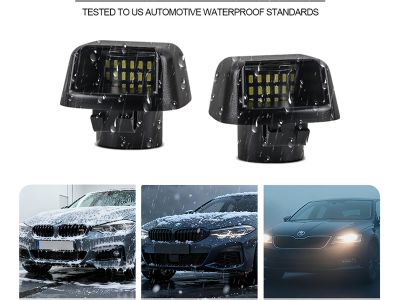
The integration of CANBUS technology in vehicle-specific LED lights has revolutionized automotive lighting solutions, addressing the complex electronic systems found in modern vehicles. For B2B buyers, understanding the role of CANBUS in these lighting solutions is crucial. This article will explore the key specifications to consider when choosing CANBUS LED License Plate Light, how to find reliable suppliers, the cost factors associated with these solutions, installation guidance, and the various applications where CANBUS LED lights are effectively used.
Key Specifications to Consider When Choosing CANBUS LED Lights
When selecting CANBUS LED lights, several key specifications are essential for ensuring compatibility and performance. First, voltage compatibility is critical most CANBUS systems operate at 12V or 24V, and the LED lights must match this requirement to function properly without triggering error messages. Next, consider the lumen output, which indicates the brightness of the light. This specification should align with the intended use, whether for standard driving, off-road applications, or specialized tasks. Buyers should also check the LED Side Marker and Blinker color temperature, measured in Kelvin (K), as it affects visibility and aesthetic appeal. Typically, temperatures between 5000K and 6000K are popular for automotive applications, offering a bright, white light. Another important factor is the built-in error-free circuitry, designed to prevent flickering or dashboard warnings. This feature is particularly relevant for buyers concerned about vehicle compliance and reliability. Finally, ensure that the LED lights are compatible with the vehicle's existing wiring and connectors, as improper compatibility can lead to installation challenges.
Finding Reliable Suppliers of LED Lighting
Finding a reliable supplier for CANBUS LED lights is crucial for ensuring product quality and consistency. Start by evaluating suppliers with a strong track record in the automotive lighting industry, such as those with ISO 9001 certification, which indicates a commitment to quality management standards. Engage with suppliers who offer OEM/ODM services, as they can provide customized solutions tailored to specific vehicle models. Reviewing customer testimonials and case studies can provide insights into the supplier's reliability and service quality. In addition, consider suppliers that provide comprehensive market documentation and support, which can be invaluable in understanding product specifications and compliance requirements. Participating in industry trade shows can also help you meet potential suppliers and evaluate their products firsthand.
Understanding Cost Factors for Vehicle-Specific LED Light Solutions
Cost factors for CANBUS LED lights can vary widely based on multiple components. First, the quality of materials used will significantly influence pricing. High-grade materials often lead to better durability, heat resistance, and overall performance, which can reduce long-term costs related to replacements or failures. Customization options, such as specific color temperatures or unique designs, can also affect the price. The minimum order quantity (MOQ) is another consideration suppliers may offer better pricing for larger orders, but this must be balanced against budget constraints and storage capabilities. Additionally, buyers should consider the total cost of ownership, which includes installation costs, potential maintenance, and the expected lifespan of the LED lights. Investing in higher-quality products may yield greater savings over time through reduced replacement frequency and lower energy consumption.
Installation Guidance for CANBUS-Compatible LED Lighting Systems
Proper installation of CANBUS-compatible LED lighting systems is crucial for optimal performance and longevity. First, ensure that the vehicle's battery is disconnected to prevent electrical shorts during installation. Next, carefully follow the manufacturer's installation instructions, paying attention to wiring diagrams that indicate the correct connections. In many cases, CANBUS lights will have plug-and-play designs that simplify the installation process. However, it is essential to confirm that the polarity matches the original lighting system to avoid functionality issues. After installation, conduct thorough testing by powering on the lights and checking for any flickering or error messages. If issues arise, recheck the connections and ensure that the lights are securely fitted. For those unfamiliar with automotive electrical systems, it may be beneficial to consult or hire a professional installer to ensure that the installation is completed correctly.
Exploring Applications of CANBUS LED Lights in Modern Vehicles
CANBUS LED lights have a wide range of applications in modern vehicles, enhancing both functionality and aesthetics. In passenger cars, they are commonly used for headlights, taillights, and interior lighting, providing improved visibility and energy efficiency compared to traditional incandescent bulbs. In commercial vehicles, CANBUS LED lights can be utilized for signaling and emergency lighting, where reliability and visibility are paramount. For off-road vehicles, specialized CANBUS LED lights designed for tough conditions can deliver exceptional performance, even in extreme environments. Additionally, the versatility of CANBUS technology allows for innovative applications such as adaptive lighting systems, which adjust based on driving conditions. As the automotive industry continues to evolve, the integration of CANBUS LED Bumper Side Marker Lights is likely to expand further, providing enhanced features and benefits for a variety of vehicle types. By understanding the role of CANBUS in vehicle-specific LED lights and considering the key specifications, cost factors, installation guidance, and applications, B2B buyers can make informed decisions that meet their unique needs and enhance their product offerings.
Table of Contents
- Key Specifications to Consider When Choosing CANBUS LED Lights
- Finding Reliable Suppliers of LED Lighting
- Understanding Cost Factors for Vehicle-Specific LED Light Solutions
- Installation Guidance for CANBUS-Compatible LED Lighting Systems
- Exploring Applications of CANBUS LED Lights in Modern Vehicles