 EN
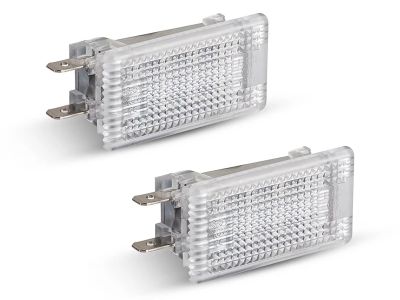
The structure of a modern automotive LED light plays a crucial role in enhancing vehicle visibility and safety. B2B buyers, including purchasing managers and engineers, often seek to understand the intricacies of these lighting systems to make informed decisions. This article will delve into the essential aspects of automotive LED lights, including selection criteria, cost factors, installation guidance, common issues, and applications across various vehicle types.
How to Choose the Right Automotive LED Light for Your Vehicle?
Selecting the appropriate automotive LED light involves several considerations that ensure compatibility and performance. First, assess the vehicle’s specific requirements, including the type of light needed (e. g., headlights, fog lights, or taillights). Check the light's wattage and lumen output, as these specifications influence brightness and energy consumption. Additionally, consider the beam pattern whether a focused beam is necessary for better illumination or a wider spread for visibility. Material selection is also important; high-quality LED Mirror Turn Signal Light often utilize durable housing materials such as aluminum or polycarbonate that withstand harsh environmental conditions. Customization options, such as color temperature (measured in Kelvins), can also affect aesthetics and functionality. While warmer tones may enhance visibility in foggy conditions, cooler tones are often preferred for modern aesthetics. Buyers should consult with manufacturers like Shenzhen Zeal Optoelectronic Technology Co., Ltd. to ensure their chosen light meets both regulatory standards and personal preferences.
Understanding Cost Factors in Automotive LED Light Procurement
Cost considerations for automotive LED lights are multifaceted. Buyers should first understand the initial pricing, which can vary based on factors such as specifications, customization, and manufacturing processes. For instance, complex designs or higher lumen outputs typically command higher prices due to increased production costs. Another significant factor is the total cost of ownership, which encompasses energy efficiency and longevity. LED License Plate Light generally have a longer lifespan compared to traditional halogen bulbs, which can lead to reduced replacement and maintenance costs over time. However, it is essential to verify the manufacturer's claims regarding lifespan and performance, ensuring they align with the intended application. Additionally, bulk purchasing can lower per-unit costs. Buyers should inquire about minimum order quantities (MOQ) and potential discounts for large orders. It’s advisable to compare quotes from multiple suppliers to understand the market rate and ensure competitive pricing.
Installation Guidance for Automotive LED Light Systems
Proper installation is critical for the optimal performance of automotive LED light systems. Start by reviewing the manufacturer’s installation manual, which typically outlines the necessary tools and steps. Ensure that the vehicle’s electrical system is compatible with LED technology, as some older vehicles may require additional components such as resistors to avoid flickering. When installing, pay close attention to the positioning of the light. Incorrect alignment can lead to reduced visibility and potentially blind oncoming drivers. Utilize level tools to ensure proper angles and heights, adhering to local regulations regarding headlight positioning. Testing the lights post-installation is crucial. Verify that all connections are secure and that the lights operate as intended. If issues arise, troubleshooting should begin with checking the electrical connections and the light's compatibility with the vehicle’s system.
Common Problems with Automotive LED Lights and Their Solutions
Automotive LED lights can present several common problems, each with specific solutions. One frequent issue is flickering, often caused by incompatible electrical systems or insufficient voltage. To resolve this, buyers should consider using an LED-compatible relay or resistor to stabilize the power supply. Another common problem is overheating, which can shorten the lifespan of the LEDs. Ensure that the lights have adequate ventilation and that the heat sink is functioning correctly. In some cases, upgrading to lights with better thermal management features may be necessary. Dim lighting can result from dirty lenses or electrical failures. Regular maintenance, including cleaning the lens and inspecting wiring, can prevent these issues. If problems persist, seeking support from the manufacturer or a qualified automotive technician is advisable.
Applications of Automotive LED Lights in Various Vehicle Types
Automotive LED lights are versatile and applicable across a wide range of vehicles, including passenger cars, trucks, and specialized vehicles such as emergency services. In passenger vehicles, they enhance both safety and aesthetics, often used for headlights, taillights, and interior lighting. Trucks and larger vehicles benefit from LED lights due to their superior brightness and visibility, essential for navigating poorly lit environments or adverse weather conditions. Furthermore, emergency vehicles frequently utilize LED lighting for its quick response times and visibility, allowing them to stand out in critical situations.
In specialty applications, such as off-road vehicles, LED lights designed for rugged conditions are popular. These lights often feature reinforced housings and advanced optics to withstand environmental challenges. Buyers should evaluate the specific application requirements to select the most suitable LED lighting solutions. By understanding the structure and functionality of modern automotive LED Interior Lights, B2B buyers can make informed decisions that enhance vehicle performance and safety. Integrating these lighting systems effectively requires careful consideration of specifications, costs, installation practices, and application needs.
Table of Contents
- How to Choose the Right Automotive LED Light for Your Vehicle?
- Understanding Cost Factors in Automotive LED Light Procurement
- Installation Guidance for Automotive LED Light Systems
- Common Problems with Automotive LED Lights and Their Solutions
- Applications of Automotive LED Lights in Various Vehicle Types