 EN
LED roof marker lights are essential components for enhancing vehicle visibility, particularly on trucks and SUVs. These lights serve not only to illuminate the vehicle's presence but also to provide safety and compliance with road regulations. For B2B buyers such as purchasing managers, fleet operators, and vehicle manufacturers, the considerations surrounding the selection and application of LED roof marker lights can be complex. This article will explore key specifications, cost factors, applications, common issues, and quality indicators to help buyers make informed decisions when purchasing LED roof marker lights.
Key Specifications for High-Quality LED Roof Marker Lights
When selecting LED roof marker lights, several key specifications must be considered to ensure optimal performance and compliance with safety standards.
Brightness and Lumen Output: The brightness of LED lights is measured in lumens. Higher lumen output increases visibility, especially in low-light conditions. Buyers should confirm the lumen specifications to ensure they meet the application requirements.
Voltage and Power Consumption: Most LED roof marker lights operate at 12V or 24V, depending on the vehicle type. Understanding the voltage requirements is crucial to ensure compatibility with the vehicle’s electrical system, while power consumption impacts energy efficiency.
Durability Ratings: Look for lights with a minimum Ingress Protection (IP) rating of IP65 or higher, indicating resistance to dust and water. This is vital for outdoor applications where exposure to harsh weather conditions is common.
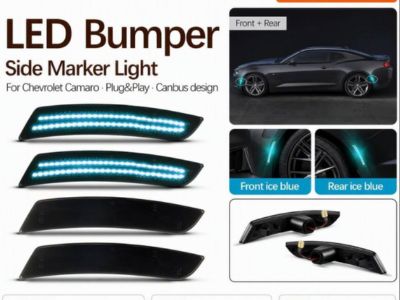
Mounting Options: Different vehicles may require different mounting styles. Ensure the LED Bumper Side Marker Lights come with suitable brackets or adhesives for secure installation on trucks and SUVs.
Color and Lens Type: Common colors include amber, red, and clear, each serving specific regulatory purposes. The lens type should be selected based on the required visibility and aesthetic preferences.
These specifications not only influence the functionality of the lights but also affect their overall cost and installation process.
Cost Factors to Consider When Purchasing LED Roof Marker Lights
Understanding the cost factors associated with LED roof marker lights is essential for making a budget-conscious purchasing decision.
Material Quality: High-quality materials, such as polycarbonate for lenses and aluminum for housing, tend to cost more but offer greater durability and longevity. Buyers should evaluate the trade-off between upfront cost and long-term performance.
Manufacturing Process: The complexity of the manufacturing process affects pricing. Custom designs or specialized features may increase costs. Buyers should inquire about manufacturing capabilities and associated pricing for custom orders.
Volume Discounts: Purchasing in bulk can significantly reduce per-unit costs. Buyers should consider their needs and negotiate pricing based on order quantities.
Shipping and Handling: Costs related to shipping and handling can vary based on the supplier's location and the buyer's destination. Understanding these costs upfront allows for better budgeting.
Warranty and After-Sales Support: A longer warranty period may indicate a higher initial price but can lead to savings in replacement costs. Evaluate warranty options and what they cover.
By considering these factors, buyers can better assess the total cost of ownership for LED roof marker lights and LED License Plate Light.
Applications of LED Roof Marker Lights in Various Industries
LED roof marker lights are used across a variety of industries, each with specific applications and requirements:
Transportation and Logistics: Trucks and trailers utilize roof marker lights to enhance visibility and ensure compliance with road safety regulations. They are critical for night-time operations and in adverse weather conditions.
Construction and Heavy Machinery: Construction vehicles often operate in low-light conditions, making marker lights and Other LED Auto Lights essential for safety. They help delineate equipment and reduce the risk of accidents on job sites.
Emergency Services: Ambulances, fire trucks, and police vehicles use roof marker lights to increase visibility and alert other road users during emergencies. The specification for these lights often includes higher brightness levels and specific color requirements.
Recreational Vehicles: RVs and trailers are equipped with LED roof marker lights to improve visibility during travel and parking, especially at night.
Agricultural Equipment: Farming machinery often operates in low-light conditions or on public roads, necessitating the use of roof marker lights for safety.
Understanding these applications helps buyers select the appropriate product for their specific industry needs.
Common Problems with LED Roof Marker Lights and Their Solutions
While LED roof marker lights are generally reliable, several common issues may arise, impacting performance:
Moisture Intrusion: Water ingress can lead to failure of the lights. To mitigate this, select lights with a high IP rating and ensure proper sealing during installation. Regular inspections can help identify any potential issues early.
Electrical Compatibility: Mismatched voltage or power supply can cause flickering or complete failure. Buyers should verify the vehicle's electrical specifications and ensure compatibility before installation.
Mounting Failures: Improper installation can lead to lights becoming dislodged. Ensure that the mounting hardware is robust and suitable for the specific vehicle model. Adhesives should also be compatible with the vehicle surface.
Color Fading: Over time, exposure to UV light can cause lens discoloration. Selecting high-quality materials with UV protection can alleviate this issue.
Heat Dissipation: LEDs generate heat, which can affect performance. Ensure that the design allows for proper heat dissipation to prolong the life of the lights.
Being aware of these issues and their solutions can enhance the longevity and effectiveness of LED roof marker lights.
What to Look For in Quality?
When evaluating LED roof marker lights, several quality indicators can help ensure a reliable purchase:
Certification Standards: Look for products that adhere to international standards such as ISO 9001, which indicates a commitment to quality management. Compliance with relevant automotive safety standards is also crucial.
Testing Procedures: Inquire about the testing procedures used by manufacturers. Quality lights should undergo rigorous testing for durability, brightness, and environmental resistance.
Customer Reviews and Feedback: Researching customer experiences can provide insight into the performance and reliability of products. Look for feedback on durability, ease of installation, and overall satisfaction.
Manufacturer Reputation: A reputable manufacturer, such as Shenzhen Zeal Optoelectronic Technology Co., Ltd., known for its expertise in automotive LED lighting, typically ensures higher product quality and reliability.
Customization Options: If specific requirements exist, consider manufacturers that offer customization capabilities. Tailoring the product to meet unique specifications can improve functionality and satisfaction.
By focusing on these quality indicators, buyers can make more informed choices when selecting LED roof marker lights for their vehicles.