 EN
Understanding why proper voltage matching matters for LED auto lights is crucial for ensuring optimal performance and longevity of your vehicle's lighting systems. In the automotive industry, LED lights are increasingly favored for their efficiency and brightness, but they require specific voltage levels to operate correctly. This article will help purchasing managers, engineers, and distributors understand how voltage matching affects LED auto lights, what to consider when selecting the right voltage, and the implications for cost and compatibility.
Why Proper Voltage Matching is Crucial for LED Auto Lights
Voltage matching is essential for LED auto lights because these components are sensitive to electrical input. Each LED light is designed to operate within a specific voltage range; exceeding this range can lead to overheating, reduced lifespan, or even complete failure. Conversely, insufficient voltage can result in dim lighting or intermittent operation. For buyers, ensuring that the voltage specifications align with the vehicle’s electrical system is a critical step in the purchasing process.
When sourcing other LED auto lights, it is important to consult the manufacturer’s specifications and confirm the voltage requirements based on the intended application. For instance, while a 12V LED light is standard for most vehicles, some specialized applications may require adjustments based on the vehicle's electrical architecture. Understanding and adhering to these specifications is crucial for maintaining safety and performance standards.
How to Choose the Right Voltage for Your LED Auto Lights
Choosing the right voltage for LED auto lights involves several considerations. Firstly, buyers should assess the vehicle's electrical system to determine its output voltage, which is typically 12V for most automotive applications. However, variations exist, particularly with hybrid and electric vehicles which may have different voltage systems.
Next, consider the LED light's voltage tolerance. Manufacturers like Shenzhen Zeal Optoelectronic Technology Co., Ltd. provide data sheets that outline the acceptable voltage range for their products. It is advisable to select LED lights that operate comfortably within the vehicle’s voltage output to avoid potential damage or operational issues.
Additionally, buyers should review the installation environment. For example, if the LED lights will be subjected to fluctuating voltages or extreme temperatures, selecting products specifically designed for those conditions is crucial. Consulting with manufacturers regarding these specifications can enhance the selection process and ensure compatibility.
Cost Factors in LED Auto Lights Related to Voltage Matching
Cost factors related to voltage matching in LED auto lights can vary widely based on the quality and specifications of the components chosen. Higher-quality LED interior lights that ensure proper voltage matching often come at a premium. However, investing in reliable products can lead to long-term savings due to reduced failure rates and lower maintenance costs.
When evaluating costs, it is also important to consider the total cost of ownership, which includes installation, energy consumption, and potential replacements. For example, improperly matched voltage can lead to more frequent replacements and repairs, adding to the overall expense. Buyers should also factor in the cost of customization if specific voltage requirements necessitate bespoke solutions.
Moreover, when sourcing from manufacturers, inquire about minimum order quantities (MOQs) and bulk pricing options. Companies like Shenzhen Zeal Optoelectronic Technology often offer competitive pricing for larger orders, which can further enhance cost-effectiveness.
Importance of Voltage Compatibility
Voltage compatibility is paramount for the reliable operation of LED auto lights. Mismatched voltage can lead to various issues, such as flickering lights, reduced brightness, or complete failure. This is particularly relevant in applications where consistent lighting performance is critical, such as emergency vehicles or high-end automotive lighting systems.
To ensure voltage compatibility, conduct a thorough evaluation of both the LED lights and the vehicle's electrical system. It is essential to verify that the LED lights can operate within the electrical tolerances of the vehicle. This verification process should include reviewing the manufacturer’s technical documentation and, if necessary, consulting with technical representatives.
Moreover, compatibility extends beyond just voltage; it also includes the connector types and physical dimensions of the LED lights. Ensuring that the lights fit correctly into existing fixtures can prevent installation issues and ensure that the lighting system functions as intended.
Why Voltage Matching Matters
Voltage matching matters significantly in the context of performance and safety for LED auto lights. Proper voltage ensures that the lights operate efficiently, providing consistent illumination that enhances visibility and safety on the road. Furthermore, adhering to voltage specifications minimizes the risk of electrical damage, which can lead to costly repairs or safety hazards.
Additionally, proper voltage matching is essential for energy efficiency. LED lights are designed to consume less power than traditional lighting solutions, but this efficiency is contingent on operating within the correct voltage range. For businesses looking to optimize their fleet's energy consumption, ensuring that LED lights are matched to the vehicle's voltage can contribute to lower operational costs.
Finally, as the automotive lighting industry continues to evolve, understanding voltage matching becomes increasingly vital. Advances in technology may introduce new lighting solutions with varying electrical requirements. Buyers must stay informed about these developments to make educated purchasing decisions that align with current and future automotive needs.
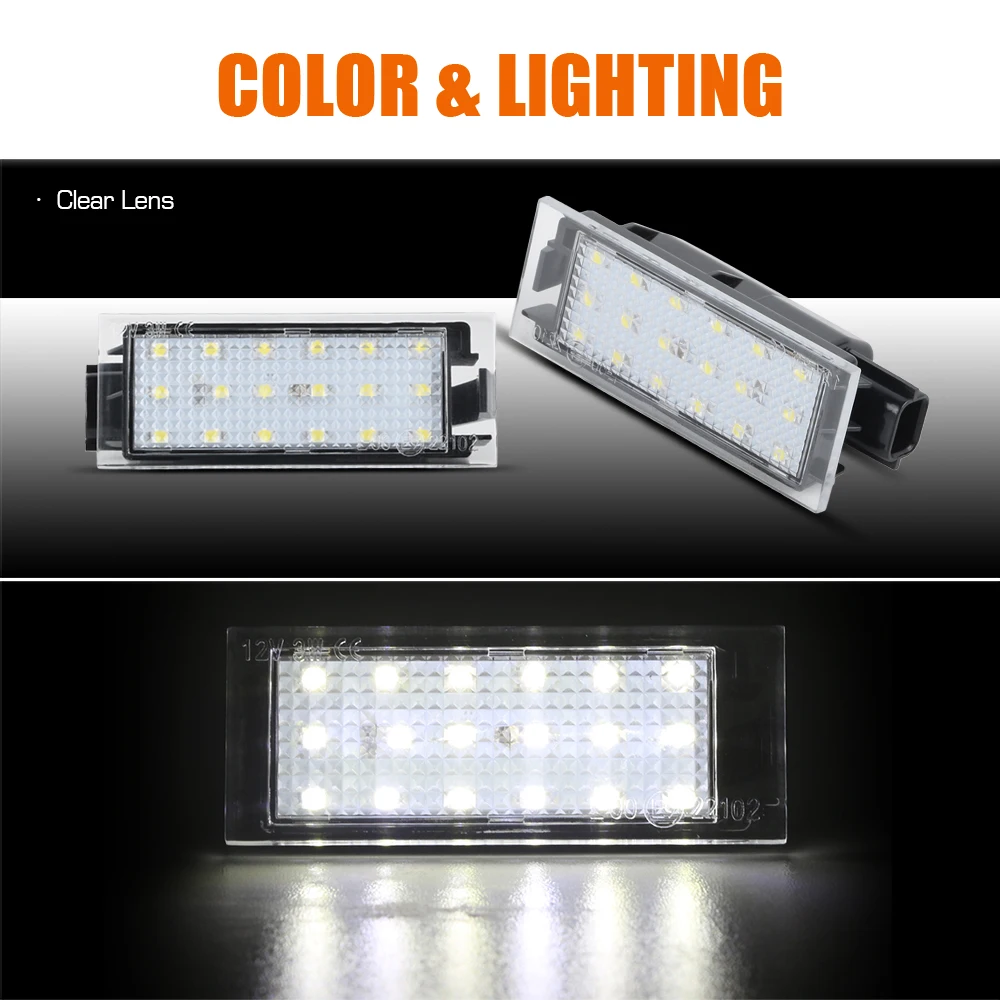
Proper voltage matching for LED license plate light is an essential consideration for any purchasing manager or distributor within the automotive industry. By understanding the implications of voltage compatibility and how to select the right products, stakeholders can enhance the performance, safety, and cost-effectiveness of their lighting solutions.