 EN
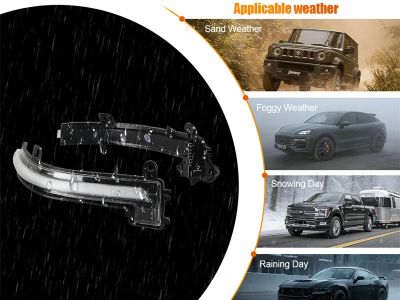
LED mirror turn signal lights are vital components in the automotive industry, enhancing vehicle safety and aesthetics. These lights are designed specifically for integration into the side mirrors of vehicles, allowing for clear signaling of lane changes or turns. When purchasing LED mirror turn signal lights, B2B buyers often focus on specifications, compatibility, quality, and sourcing options. This article will provide valuable insights into how LED mirror turn signal lights are designed for vehicle fitment, ensuring buyers can make informed decisions.
Evaluating Specifications of LED Mirror Turn Signal Lights for Performance
When assessing LED mirror turn signal lights, several key specifications must be evaluated to ensure optimal performance. These include illumination intensity, color temperature, and power consumption.
Illumination Intensity: Measured in lumens, this specification indicates how bright the light will be. A higher lumen count generally translates to better visibility, which is critical for safety. Buyers should confirm that the lumen output meets or exceeds local regulations for turn signal brightness.
Color Temperature: This is typically measured in Kelvin (K) and affects the light's appearance. Most LED turn signals emit a warm yellow or amber light, which is universally recognized for signaling. Buyers should ensure that the color temperature aligns with vehicle standards to maintain aesthetic cohesion and compliance.
Power Consumption: Measured in watts, this indicates how much energy the LED Mirror Turn Signal Light lights will use. LED lights are generally more efficient, consuming less power than traditional bulbs while providing the same brightness. Buyers should consider the power specifications to ensure compatibility with the vehicle's electrical system.
Understanding these specifications helps buyers assess the suitability of LED mirror turn signal lights for their specific applications, ensuring they select products that perform reliably and meet safety standards.
Where to Source Reliable LED Mirror Turn Signal Lights for Wholesale?
Sourcing high-quality LED mirror turn signal lights requires diligence and consideration of multiple factors. Buyers can explore several avenues for reliable wholesale sourcing:
Manufacturers and Distributors: Established manufacturers like Shenzhen Zeal Optoelectronic Technology Co., Ltd. offer OEM/ODM services, ensuring tailored solutions for specific vehicle fitments. Engaging directly with manufacturers can provide insights into product development and customization options.
Trade Shows and Industry Events: Attending automotive trade shows allows buyers to meet suppliers, evaluate products firsthand, and discuss specific requirements. This direct interaction can facilitate better understanding and negotiation of terms.
Online Marketplaces and B2B Platforms: Websites such as Alibaba or Global Sources can be useful for identifying multiple suppliers. However, buyers should conduct thorough due diligence to assess the LED Interior Lights credibility of suppliers, including checking reviews and requesting samples before placing larger orders.
Networking within Industry Associations: Engaging with industry associations can provide valuable contacts and recommendations for reputable suppliers. These networks often share insights on quality standards and best practices in sourcing components like LED turn signal lights.
Selecting the right sourcing method ensures that buyers acquire reliable products that meet their quality and performance expectations.
Installation Guidance for LED Mirror Turn Signal Lights on Various Vehicles
Proper installation of LED mirror turn signal lights is crucial for functionality and safety. Here are some key considerations and steps to guide the installation process:
Compatibility Check: Before installation, confirm that the LED mirror turn signal lights are compatible with the specific vehicle model. This includes checking the electrical system and ensuring the lights fit the design of the side mirrors.
Wiring Setup: Most LED turn signals will require wiring to the vehicle's electrical system. Buyers should ensure that they have access to the vehicle's wiring diagram and follow it precisely. Proper connections help prevent issues like flickering or non-functioning lights.
Mounting: Securely mounting the lights is essential to avoid vibrations that could damage the components. Use manufacturer-recommended screws or adhesives designed for automotive applications to ensure longevity.
Testing the Installation: After installation, test the lights to ensure they function correctly. This includes checking the signaling mechanism and verifying that the lights illuminate at the correct intensity.
Consulting Professionals: If in doubt, buyers should consider hiring a professional installer, especially for complex vehicle models. This can ensure that the installation adheres to safety standards and functions as intended.
By following these guidelines, buyers can ensure that the LED mirror turn signal lights are installed correctly and will perform effectively in signaling.
Common Problems with LED Turn Signal Lights and Their Solutions
LED mirror turn signal lights can encounter several common issues, but understanding these can help buyers mitigate problems:
Flickering Lights: This is often a result of poor connections or incompatible voltage. Buyers should ensure that the wiring is secure and matches the vehicle's specifications. If the problem persists, checking the LED module for defects is advisable.
Dim Lighting: If the lights appear dim, it may indicate a power supply issue. Buyers should verify that the voltage supplied is within the required range for the LEDs. In some cases, upgrading the vehicle’s power supply may be necessary.
Short Lifespan: LED lights should last significantly longer than traditional bulbs. If they are failing prematurely, it may be due to overheating. Ensuring that the lights are properly ventilated and installed according to manufacturer guidelines can help prevent this issue.
Color Inconsistency: If some lights appear different in color, this may be due to using parts from different batches. Consistency in sourcing from the same manufacturer is crucial for maintaining uniformity in appearance.
Addressing these common problems proactively can prevent more extensive issues and ensure that LED mirror turn signal lights function reliably.
Cost Factors to Consider When Purchasing LED Mirror Turn Signal Lights
Understanding the cost factors involved in purchasing LED mirror turn signal lights is vital for B2B buyers. Here are the primary considerations:
Material Costs: The type of materials used in the construction of the lights can significantly influence pricing. Higher-quality materials may incur a higher upfront cost but can lead to greater durability and performance over time.
Customization Requirements: If specific customization is needed, such as unique colors or designs, this can increase costs. Buyers should be clear about their requirements upfront to receive accurate quotations.
Order Quantity: Bulk purchasing often provides significant cost savings. Buyers should consider their volume needs and inquire about any Minimum Order Quantities (MOQs) that may affect pricing. Manufacturers may offer tiered pricing based on order size.
Shipping and Handling: Transport costs can add to the Other LED Auto Lights total price. Buyers should factor in shipping options, including expedited shipping or bulk shipment discounts, which can impact overall costs.
Warranty and Support: Investing in products with a strong warranty and customer support can be beneficial. While this may increase initial costs, it can save money in the long run by reducing the need for replacements or repairs.
By understanding these cost factors, buyers can make informed purchasing decisions that align with their budget and operational needs.
Table of Contents
- Evaluating Specifications of LED Mirror Turn Signal Lights for Performance
- Where to Source Reliable LED Mirror Turn Signal Lights for Wholesale?
- Installation Guidance for LED Mirror Turn Signal Lights on Various Vehicles
- Common Problems with LED Turn Signal Lights and Their Solutions
- Cost Factors to Consider When Purchasing LED Mirror Turn Signal Lights